
Remembering Theresa Kachindamoto, Malawi’s ‘Terminator of Child Marriages’
NewsJun 4, 2026
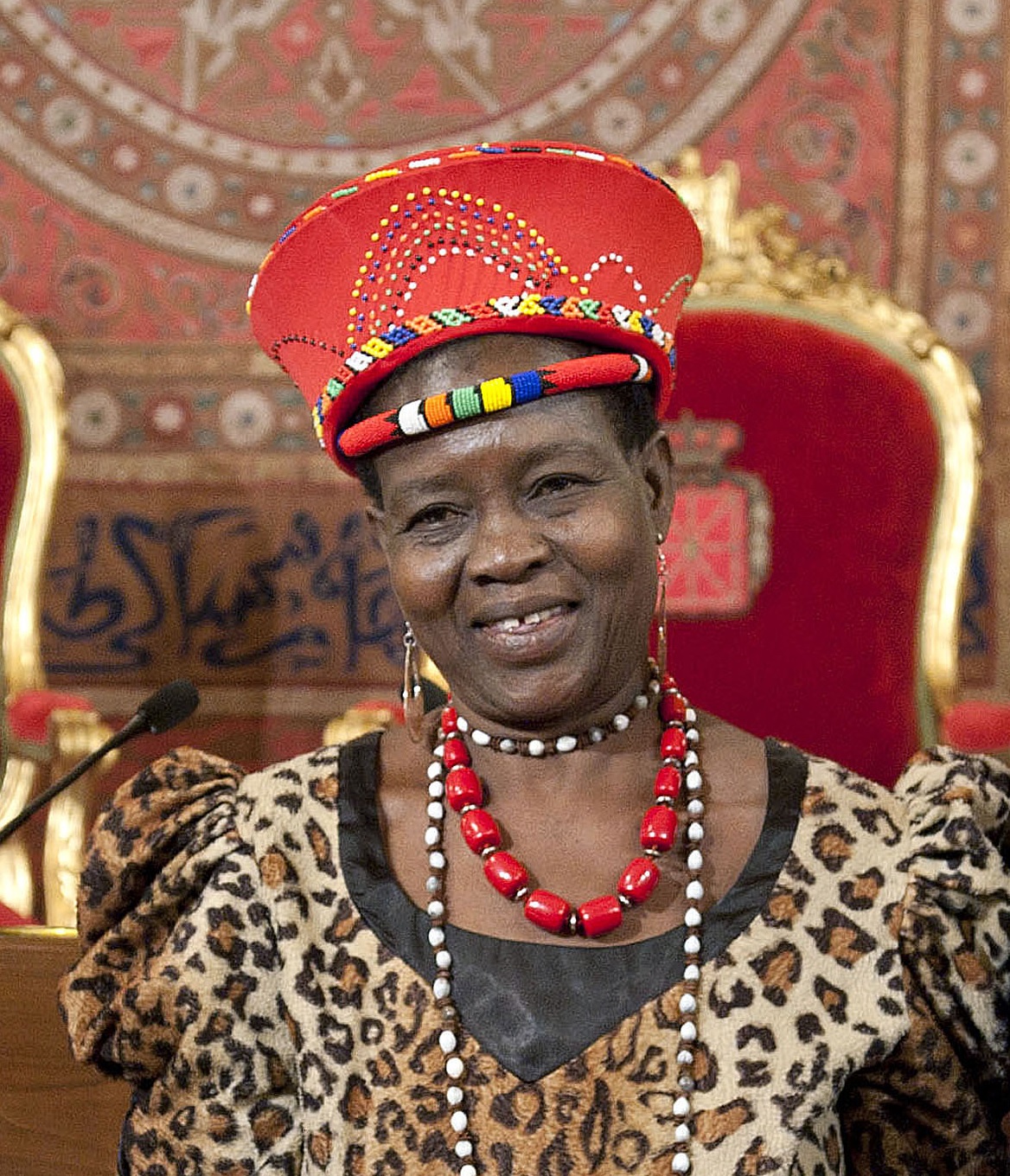
Few traditional leaders in Africa have left a legacy as powerful as Theresa Kachindamoto, the Malawian paramount chief who dedicated her life to ending child marriage and keeping girls in school.
Born on November 23, 1958, in Dedza District, Kachindamoto never expected to become a chief. Before ascending to the throne, she worked as a secretary and lived a relatively ordinary life. However, after being chosen to lead the Kachindamoto chieftaincy in 2003, she inherited authority over hundreds of thousands of people across central Malawi.
When she assumed leadership, she was confronted by a troubling reality. Child marriage was widespread across many communities, often driven by poverty, cultural expectations and limited educational opportunities. At the time, Malawi had one of the highest child marriage rates in the world, with more than half of girls reportedly married before the age of 18.
Rather than accepting the practice as tradition, Kachindamoto chose to challenge it.
Using her authority as a traditional leader, she worked with village heads, mothers' groups, teachers, religious leaders and community organizations to identify underage marriages and return children to school. She became known for taking direct action, including suspending sub-chiefs who allowed child marriages to continue in their areas. Four chiefs were removed from their positions until they demonstrated that the marriages had been annulled.
One of the most remarkable achievements of her campaign was the annulment of more than 3,500 child marriages, giving thousands of girls a second chance at education and childhood. Her efforts earned her international recognition and the nickname "The Terminator of Child Marriages."
Some versions of her story circulating online claim that she single-handedly forced Malawi to change its marriage laws. The reality is more nuanced. While she was not solely responsible for the legal reforms, she became one of the country's most influential voices advocating for change. Her activism helped build momentum behind national efforts that led to the strengthening of laws protecting children. Malawi passed the Marriage, Divorce and Family Relations Act in 2015, and constitutional reforms later established 18 as the minimum legal age for marriage.
Her campaign was not without resistance. Many families relied on dowries for survival, and some community members viewed her actions as an attack on tradition. Yet she remained steadfast, arguing that educating girls would create stronger families and communities in the long term.
Beyond fighting child marriage, Kachindamoto also challenged harmful cultural practices and promoted education for both girls and boys. Her leadership earned international honors, including the Vital Voices Leadership in Public Life Award and honorary academic recognitions from leading universities.
Theresa Kachindamoto passed away in 2025, but her impact continues to be felt across Malawi and beyond. For thousands of young women whose marriages were annulled and whose education was restored, she was more than a chief—she was a protector, an advocate and a symbol of what determined leadership can achieve.
By Blessings Diason