
Patrice Lumumba: The Voice of African Independence
NewsMay 7, 2026
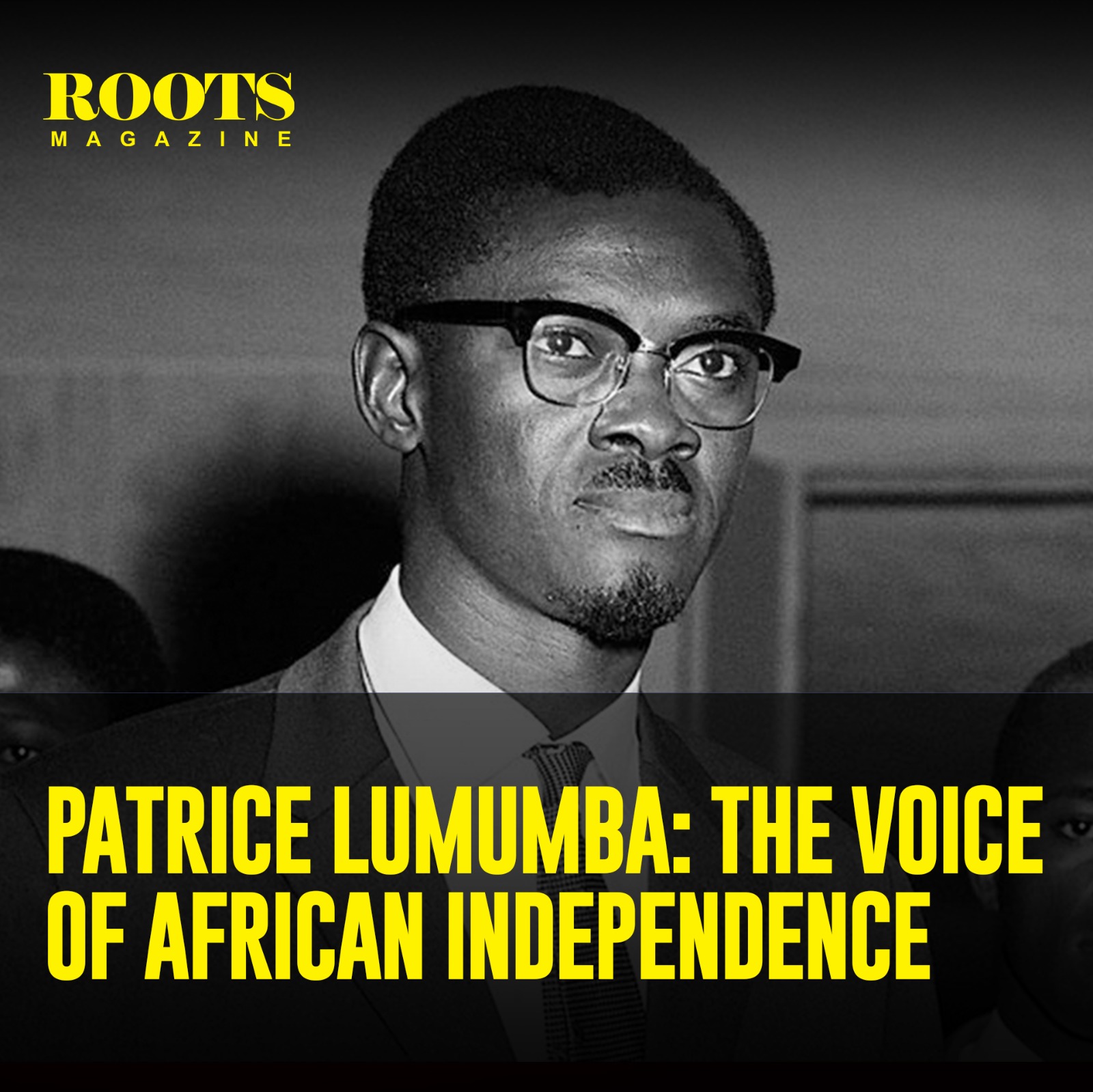
Patrice Lumumba remains one of Africa’s most influential political figures, remembered for his courage, vision, and commitment to freedom during a critical moment in African history.
Born in 1925 in what is now the Democratic Republic of the Congo, Lumumba rose from humble beginnings to become a leading voice in the fight against colonial rule. At a time when many African nations were demanding independence, he emerged as a passionate advocate for unity, dignity, and self-determination for the Congolese people.
In 1960, Lumumba became the country’s first democratically elected Prime Minister following independence from Belgium. His powerful speeches and strong stance against foreign influence quickly made him a symbol of African liberation across the continent. However, his time in office was short-lived as political instability, Cold War tensions, and internal conflicts created divisions within the newly independent nation.
Just months after taking office, Lumumba was removed from power and later assassinated in 1961 under circumstances that continue to spark debate and controversy worldwide. Despite his tragic death at the age of 35, his legacy endured, inspiring generations of African leaders, activists, and freedom fighters.
Today, Patrice Lumumba is widely regarded as a symbol of resistance against oppression and a reminder of Africa’s long struggle for independence and sovereignty. His name continues to carry weight in conversations about leadership, justice, and the future of the African continent.
Born in 1925 in what is now the Democratic Republic of the Congo, Lumumba rose from humble beginnings to become a leading voice in the fight against colonial rule. At a time when many African nations were demanding independence, he emerged as a passionate advocate for unity, dignity, and self-determination for the Congolese people.
In 1960, Lumumba became the country’s first democratically elected Prime Minister following independence from Belgium. His powerful speeches and strong stance against foreign influence quickly made him a symbol of African liberation across the continent. However, his time in office was short-lived as political instability, Cold War tensions, and internal conflicts created divisions within the newly independent nation.
Just months after taking office, Lumumba was removed from power and later assassinated in 1961 under circumstances that continue to spark debate and controversy worldwide. Despite his tragic death at the age of 35, his legacy endured, inspiring generations of African leaders, activists, and freedom fighters.
Today, Patrice Lumumba is widely regarded as a symbol of resistance against oppression and a reminder of Africa’s long struggle for independence and sovereignty. His name continues to carry weight in conversations about leadership, justice, and the future of the African continent.
By Roots Magazine Africa