
EFFECTS OF TIKTOK ON CHILDREN AGED 5-10
TechnologyApr 15, 2026
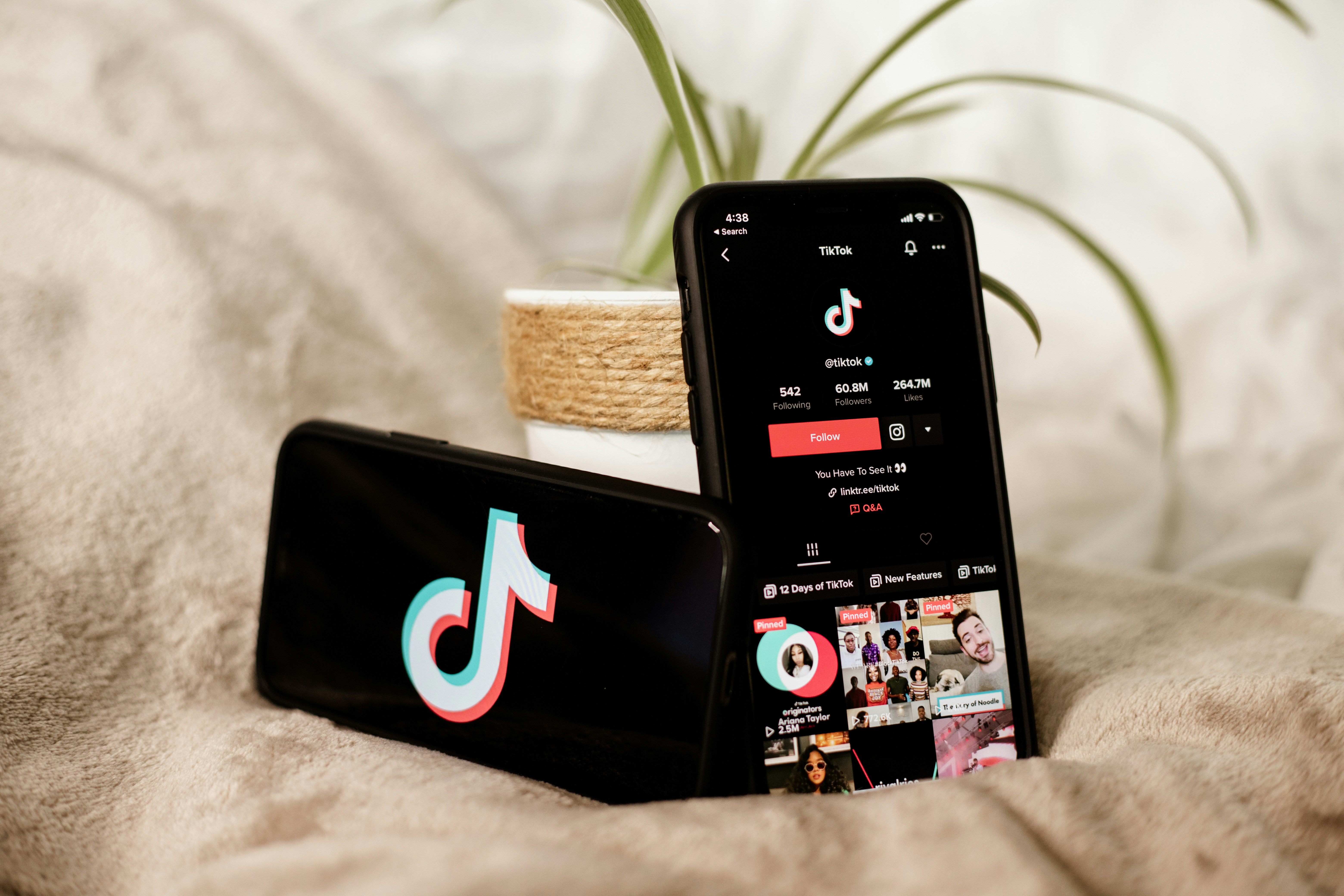
The rapid growth the technological world has undergone in the last few decades is highly unnoticeable due to the swift effect it has caused on younger, and to some extent also older, generations. The development of different mobile applications, such as those used for entertainment purposes, has spawned worldwide interconnectedness through music and trends but the other side of the coin also holds its own negative impact as age limit is mostly disregarded causing many underaged individuals to have unmonitored behavioral patterns.
In this regard, we bring in our attention to the emergence of Tiktok, an entertainment application that was launched by China in September 2016 and got released internationally in September 2017. Essentially, tiktok is used as a media market for products in the music industry, clothing brands, content creators and so forth including whatever trend is holding the mass’s attention. Due to its trendsetter history, approximately 1.59 billion people use tiktok globally as their number one entertainment app.
Corresponding to this insurgence, we raise the question: what effect does this have on individuals aged between 5-10 years? But before diving in, the bigger elephant in the room to be addressed should be: at what age do you think a child should be allowed to have a phone?
A child’s brain development is crucial to their whole life as it determines the type of output that particular child can achieve based on what input is being fed to their brains. Mindset is what nurtures behavior. Now, giving a child a phone who is 5-10 years of age could be regarded as irresponsible. Why? The internet is a playground for both explicit and addictive content. Not all sites and applications have parental control features. Tiktok fits perfectly on the addictive area as it inserts a habit of hours of nonstop scrolling, feeding the children with brain rot.
This causes shortened brain span to the child’s brain as the fast-paced and yet stimulating content dominates the mind of the child, lowering the child’s ability to focus on issues that require a longer span of attention like reading books. Biologically, our bodies release dopamine which is a neurotransmitter that is released when we tend to “feel good” about a certain activity. So, since the kids will start craving instant gratification, eventually the interest in activities that require patience will drop.
On the behavior angle, children under this specific age range are best known to be imitators as they tend to be more of followers of charismatic authority. This may lead to them copying harmful trends that they feed their eyes on and deem worthy of trying them out. They have been hundreds of cases mostly in the USA of children between this age to have harmed themselves, some unfortunately even died in some scenarios, in an attempt to try out a trend.
Their behavioral patterns also tend to shift due to excessive use of the app limiting face to face interactions with their fellow children not forgetting birthing low self-Esteem upon themselves. Exposure to societal beauty standards limits their brain capacity to accept themselves for who they are hence causing their minds to think less of themselves.
As a society, we need to bring back norms of letting children be children. Allowing them to do things that are within their age range and definitely not giving them access to devices that may hinder the brains from developing healthily. Children are allowed to have devices for learning and even entertainment purposes yes but let us make sure we have put strict parental control and advisory in those devices, limiting any applications or sites that are not suitable for their age yet. Most likely, children are allowed to have proper phones for their own purposes at the age of 13. However, it all still comes down to what their parents or guardians feel what is right for them at that particular time.
By Elner Chitika.